


Ria Health offers several FDA-approved medications for alcohol use disorder. When combined with counseling, this approach is proven highly effective. Practical advice for better mental health, direct to your inbox each month. It might also cause you to misread Alcoholics Anonymous situations, resulting in you getting angry when you’d normally be calm and rational. For example, if someone accidentally bumps into you at the bar, you might misinterpret this as an act of aggression, causing you to become confrontational and angry.
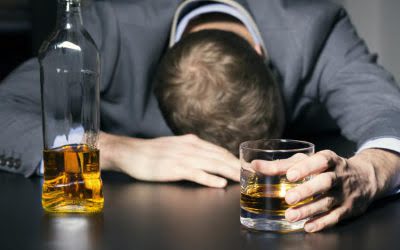
Alcoholics and Anger: The Hidden Connection Between Addiction and Rage
It’s like the brain is on a wild roller coaster ride — one minute we’re peacefully cruising along, and the next, we’re rocketing down a steep slope with the wind screaming in our ears. When it first hits, it often brings a wave of relaxation, as the brain goes into slow-motion mode. Two key neurotransmitters — glutamate and gamma-aminobutyric acid (GABA) — are responsible for this effect. Glutamate (a neurotransmitter that increases brain activity and energy levels) gets suppressed, while GABA (which reduces energy levels and calms the brain) is enhanced by alcohol. Our reactions become sluggish, our speech may slur, and our inhibitions drop. We are going to explore the science behind alcohol-induced anger, how it connects to past emotions, and what you can do to break the cycle.
Tips for Managing Your Own Anger When Drinking
We all have a mental filter that stops us from acting on every single impulse. As your inhibitions drop, the gap between feeling angry and expressing that anger shrinks dramatically. You might say something cutting or act aggressively in a way you never would when sober. Studies show that alcohol can make you more likely to approach situations you might otherwise avoid, especially if you feel threatened or provoked. Your blood alcohol content plays a big role here; the more you drink, the less likely you are to think through the consequences of lashing out, making conflict much more probable. Have you ever noticed how a minor annoyance can feel like a major crisis after a drink or two?
How to Seek Help for Co-Occurring Anger and Alcohol Addiction
They may have less tolerance and patience for others, which can lead to angry outbursts. Here, we explore why some people get angry when they’re intoxicated and provide tips on how to stop being aggressive when you’ve had a drink. We’ll also look at the best ways to deal with a drunk person if you’re ever on the receiving end of an alcohol-fuelled outburst. However, for some, alcohol can cause anger and aggression, which can become a real problem.
The Impact of Alcoholism and Anger on Relationships and Personal Well-being
The probable reason for this is genetic factors and an increased tendency towards substance use. Moreover, alcohol-related anger is more common in young and single males than married and old ones. Various factors can put us at increased risk for alcohol-related anger or aggression. However, early management of these factors can lessen the chances of developing alcohol-related aggressiveness. Moreover, alcohol also affects the information-processing pathways present among the brain cells.
How To Overcome Alcoholic Rage Syndrome
Another study explored the relationship between Posttraumatic Stress Disorder (PTSD), alcohol use, and violence (Blakey et al., 2018). This was a massive study of 33,215 individuals with no history of active military combat. Does a support group seem like it might be out of your comfort zone? Attending one-on-one therapy with a licensed therapist can help you work through anger issues in a more private setting. Scheduling an appointment with a professional who specializes in anger management may be more beneficial than participating in group therapy if you have social anxiety. According to research compiled by the National Institute on Drug Abuse, alcohol use is a considerable contributing factor to sexual assault.
- As a positive, unalarming emotion and one that others are used to seeing, however, happiness isn’t on the radar as much as anger.
- Your blood alcohol content plays a big role here; the more you drink, the less likely you are to think through the consequences of lashing out, making conflict much more probable.
- When examining which substances are most likely to cause anger, aggression, or violence, stimulants such as cocaine, methamphetamine, and amphetamines are frequently cited 5.
- Alcohol is often consumed in settings that may already be emotionally charged, such as social gatherings or conflicts, where tensions can run high.
- To understand why vodka makes me angry, we need to dive into the intricate workings of the brain.
The connection between alcoholism and anger can sometimes be obvious. The individual who drinks may not recognize the connection, but their loved ones often do. It also reduces inhibitions and impairs judgment, alcohol and anger resulting in misguided anger and aggression. Understanding why alcohol makes you angry is the first step toward making positive changes.
- Drinking alcohol releases norepinephrine into the brain, a stimulant that can decrease our inhibitions while increasing our impulsivity.
- Think of your prefrontal cortex as your brain’s calm, rational CEO.
- When people aren’t able to make sense of their unresolved anger, they often use alcohol as a means of escape or numbness only to find that rather than calming the issue, it only ignites it.
Alcohol struggles lead to continued personality and behavioral changes, and without properly addressing the issue the changes remain and often worsen. Integrating therapy, robust support systems and personalized coping strategies is paramount to fostering sustainable progress towards emotional equilibrium. Before exploring the common emotional experiences while drinking, it’s essential to understand how anger and alcohol perception are intertwined. As a depressant, alcohol slows central nervous system activity, limiting inhibitions and promoting impulsive behaviors – including anger issues.